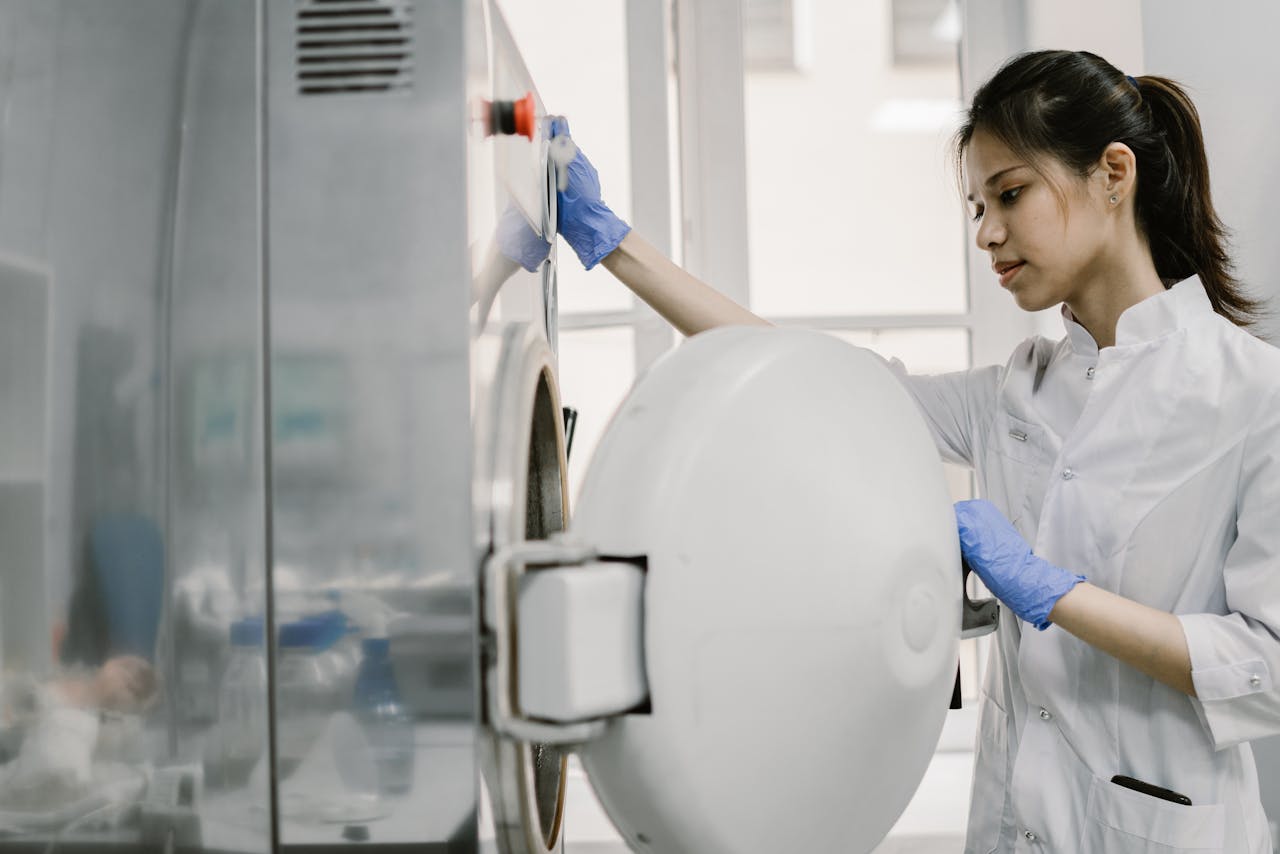
Autoclaves play a critical role in maintaining hygiene and infection control in healthcare, dental, veterinary, and laboratory environments. Whether you operate a busy dental clinic or a medical practice, keeping your autoclave machine in top condition is essential for safe sterilisation, compliance, and long-term cost savings. Unfortunately, many businesses only notice problems once the machine starts failing, causing downtime, delayed procedures, and expensive repairs. The good news is that regular autoclave maintenance can significantly reduce the risk of breakdowns while extending the lifespan of your equipment.
Why Autoclave Maintenance Matters
An autoclave machine is designed to withstand high pressure and temperature daily. Over time, constant use can lead to wear and tear on internal components such as seals, valves, filters, and heating systems. Without proper maintenance, small issues can quickly become major problems.
Routine servicing helps:
- Improve sterilisation performance
- Reduce unexpected downtime
- Extend equipment lifespan
- Maintain compliance with industry regulations
- Lower long-term repair costs
- Protect staff and patient safety
Regular maintenance also ensures your autoclave consistently reaches the required sterilisation temperature and pressure needed to eliminate bacteria, viruses, and other contaminants.
1. Clean the Autoclave Regularly
One of the simplest yet most effective maintenance tasks is routine cleaning. Dirt, residue, and mineral buildup can affect the performance of your autoclave over time.
Important cleaning tasks include:
- Wiping down chamber surfaces daily
- Cleaning trays and racks
- Removing debris from door seals
- Checking and cleaning filters
- Using approved autoclave cleaning solutions
If your facility uses hard water, mineral deposits can accumulate inside the chamber and plumbing system. Using distilled or demineralised water can help reduce scaling and improve efficiency.
2. Inspect Door Seals and Gaskets
Door seals and gaskets are essential for maintaining proper pressure during sterilisation cycles. Damaged or worn seals can lead to pressure leaks, failed cycles, and inconsistent sterilisation results.
Check for:
- Cracks or splits
- Flattened areas
- Signs of wear
- Steam leakage during operation
Replacing worn seals early can prevent larger mechanical issues and reduce unnecessary stress on the autoclave machine.
3. Monitor Water Quality
Poor water quality is one of the leading causes of autoclave damage. Minerals and impurities can clog pipes, damage heating elements, and reduce efficiency.
To maintain proper performance:
- Use distilled or reverse osmosis water
- Avoid tap water when possible
- Empty and refill water reservoirs regularly
- Check for signs of scaling or residue buildup
Good water quality helps protect internal components and improves sterilisation reliability.
4. Perform Routine Validation and Testing
Autoclave validation ensures the machine is operating within required sterilisation standards. Regular testing helps identify performance issues before they become serious.
Common tests include:
- Biological indicator testing
- Bowie-Dick testing
- Leak tests
- Temperature and pressure verification
Routine validation is especially important for dental clinics, hospitals, and laboratories that must comply with strict infection control regulations.
5. Schedule Professional Autoclave Servicing
While daily maintenance can prevent many problems, professional servicing is still essential. Qualified technicians can inspect internal components, calibrate systems, and identify hidden issues early.
Professional autoclave service may include:
- Safety inspections
- Replacement of worn parts
- Calibration of sensors
- Steam system checks
- Software diagnostics
- Performance testing
Preventative servicing is often far more affordable than emergency repairs or full equipment replacement.
6. Train Staff on Proper Usage
Incorrect use is another common reason autoclaves experience premature wear and breakdowns. Staff should understand proper loading procedures, cycle selection, and routine care requirements.
Key training areas include:
- Avoiding chamber overloading
- Using correct sterilisation cycles
- Handling instruments properly
- Reporting unusual noises or errors immediately
Well-trained staff can help identify early warning signs before serious damage occurs.
Common Signs Your Autoclave Needs Maintenance
Even with proper care, autoclaves may eventually show signs of wear. Contact a professional if you notice:
- Longer sterilisation cycles
- Error messages
- Steam leaks
- Unusual noises
- Inconsistent temperatures
- Failed validation tests
- Wet packs after cycles
Addressing these issues early can help avoid expensive downtime and major repairs.
Final Thoughts
Investing in regular autoclave maintenance is one of the best ways to protect your equipment, maintain compliance, and avoid costly breakdowns. Simple preventative steps such as cleaning, monitoring water quality, checking seals, and scheduling professional servicing can significantly improve the reliability and lifespan of your steriliser.
For healthcare facilities and clinics that rely on dependable infection control, proactive maintenance is not just recommended — it’s essential.
If your autoclave machine is due for servicing, validation, or repair, working with experienced technicians can help ensure your equipment continues operating safely and efficiently for years to come.
At HTC Medical, we provide professional autoclave servicing, validation, maintenance, and repair solutions for healthcare facilities across NSW. Our experienced team helps keep your sterilisation equipment operating safely, efficiently, and fully compliant with industry standards. Contact HTC Medical today to schedule your autoclave service or speak with our team about your sterilisation equipment needs.