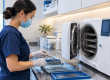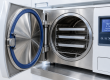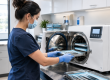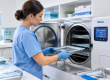
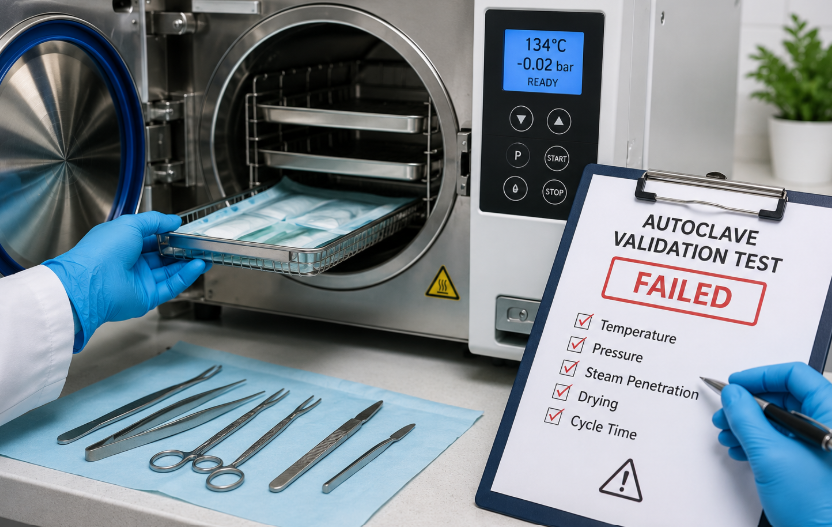
Autoclave validation is a critical part of ensuring sterilisation equipment performs as intended. Whether you’re operating a dental practice, medical clinic, veterinary facility, laboratory, or healthcare centre, a failed validation test can lead to compliance concerns, operational delays, and potential risks to patient safety.
While many organisations assume a failed validation means their autoclave is no longer functioning, the reality is often more complex. Validation failures can occur for a range of reasons, from poor maintenance and calibration issues to loading errors and steam quality problems.
Understanding the most common causes of validation failures can help you avoid costly downtime and keep your sterilisation processes compliant with Australian standards.
What Is Autoclave Validation?
Autoclave validation is the process of verifying that a steam steriliser consistently achieves the required conditions for effective sterilisation. During validation, qualified technicians assess factors such as temperature, pressure, steam penetration, holding times, and overall cycle performance.
Validation helps confirm that the autoclave can reliably sterilise instruments and equipment according to regulatory requirements and manufacturer specifications.
For healthcare providers, regular validation is essential for maintaining infection control standards and demonstrating compliance during audits and inspections.
Why Validation Failures Matter
A failed validation test is more than just a technical issue. It can indicate that sterilised instruments may not be reaching the conditions required to eliminate harmful microorganisms.
Potential consequences include:
- Non-compliance with industry regulations
- Delays to clinical operations
- Increased infection control risks
- Failed audits and inspections
- Costly equipment repairs
- Unexpected downtime
Identifying the root cause quickly is essential to restoring confidence in your sterilisation processes.
1. Poor Preventative Maintenance
One of the most common reasons autoclaves fail validation is a lack of routine servicing.
Over time, components such as door seals, valves, filters, sensors, and steam generators naturally wear down. Without regular maintenance, these components may no longer operate within acceptable tolerances.
Common maintenance-related issues include:
- Worn chamber seals
- Faulty pressure sensors
- Blocked drains
- Steam leaks
- Damaged valves
Routine autoclave servicing helps identify these issues before they impact validation results.
2. Calibration Problems
Autoclaves rely on accurate temperature and pressure measurements to achieve successful sterilisation cycles.
If sensors drift out of calibration, the machine may display readings that differ from actual chamber conditions.
Even small discrepancies can cause validation failures.
Calibration issues commonly affect:
- Temperature probes
- Pressure sensors
- Data logging systems
- Control units
Regular calibration checks should be included as part of any preventative maintenance programme.
3. Poor Steam Quality
Steam quality plays a significant role in successful sterilisation.
Many operators focus solely on chamber temperature while overlooking the quality of the steam entering the sterilisation chamber.
Poor-quality steam may contain:
- Excess moisture
- Non-condensable gases
- Contaminants
- Inadequate dryness fraction
These issues can prevent proper heat transfer and reduce steam penetration into wrapped instruments and porous loads.
Steam quality testing is often a key component of professional autoclave validation services.
4. Incorrect Loading Techniques
Even a perfectly functioning autoclave can fail validation if loads are not arranged correctly.
Overloading the chamber restricts steam circulation and can prevent sterilising conditions from reaching all surfaces.
Common loading mistakes include:
- Stacking instruments too tightly
- Blocking chamber vents
- Overfilling trays
- Incorrect packaging methods
- Mixing incompatible load types
Staff training is often overlooked but can have a significant impact on sterilisation performance.
5. Damaged Door Seals and Gaskets
Door seals are responsible for maintaining chamber pressure throughout the sterilisation cycle.
When seals become worn, cracked, or damaged, steam can escape from the chamber.
This may result in:
- Pressure loss
- Temperature fluctuations
- Incomplete sterilisation cycles
- Failed validation tests
Regular inspection and replacement of seals are essential for maintaining autoclave performance.
6. Water Quality Issues
Water quality is one of the most underestimated factors affecting autoclave reliability.
Using poor-quality water can lead to scale build-up, corrosion, and contamination within critical components.
Problems caused by poor water quality include:
- Blocked steam generators
- Reduced heating efficiency
- Sensor damage
- Valve failures
Most manufacturers recommend using treated or demineralised water to minimise these risks.
7. Faulty Vacuum Systems
Many modern B-Class autoclaves rely on vacuum pumps to remove air from the chamber before sterilisation begins.
If the vacuum system is not functioning correctly, trapped air pockets may remain inside loads.
This can significantly reduce steam penetration and lead to validation failures.
Signs of vacuum system problems may include:
- Extended cycle times
- Inconsistent drying performance
- Failed Bowie-Dick tests
- Air leak test failures
Professional servicing can help identify vacuum-related issues before they affect validation outcomes.
8. Ageing Equipment
Like all medical equipment, autoclaves have a finite lifespan.
As equipment ages, components become less reliable and performance may gradually decline.
Older autoclaves often experience:
- Sensor inaccuracies
- Mechanical wear
- Electrical faults
- Reduced efficiency
While older units can often continue operating safely with proper maintenance, they may require more frequent servicing and monitoring.
9. Operator Errors
Human error remains a leading cause of sterilisation problems.
Even advanced autoclaves can fail validation if operators do not follow proper procedures.
Examples include:
- Selecting incorrect cycle settings
- Using damaged packaging materials
- Failing to perform daily checks
- Ignoring warning messages
- Inadequate cleaning of instruments before sterilisation
Ongoing staff training is essential for maintaining reliable sterilisation outcomes.
10. Inadequate Record Keeping and Monitoring
Validation isn’t just about passing a test on the day.
Consistent monitoring helps identify trends and performance issues before they become major problems.
Facilities should regularly review:
- Cycle reports
- Temperature records
- Pressure data
- Maintenance logs
- Validation certificates
Comprehensive record keeping supports compliance and helps demonstrate due diligence during audits.
How to Reduce the Risk of Validation Failures
The best way to avoid validation issues is through a proactive maintenance strategy.
Key steps include:
- Schedule regular autoclave servicing
- Perform routine preventative maintenance
- Ensure calibration is up to date
- Monitor steam quality
- Train staff on correct loading procedures
- Use appropriate water treatment systems
- Address minor faults before they escalate
- Conduct regular performance testing
Taking a preventative approach helps improve reliability, minimise downtime, and maintain compliance with sterilisation standards.
Keep Your Autoclave Validation-Ready
Validation failures are often preventable. In many cases, the underlying cause can be traced back to maintenance gaps, calibration issues, poor steam quality, or operator practices.
By investing in regular autoclave servicing, validation testing, preventative maintenance, and timely repairs, healthcare providers can reduce the risk of failed validation tests and ensure their sterilisation equipment continues to perform at the highest standard.
At HTC Medical, we provide professional autoclave validation, autoclave repair, calibration, and preventative maintenance services across Australia. Our experienced technicians help healthcare facilities, laboratories, and clinics maintain compliance and achieve reliable sterilisation performance year-round.
Contact HTC Medical today to schedule your autoclave validation or service inspection.