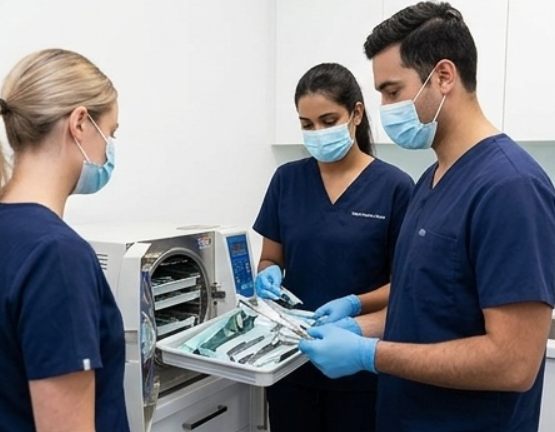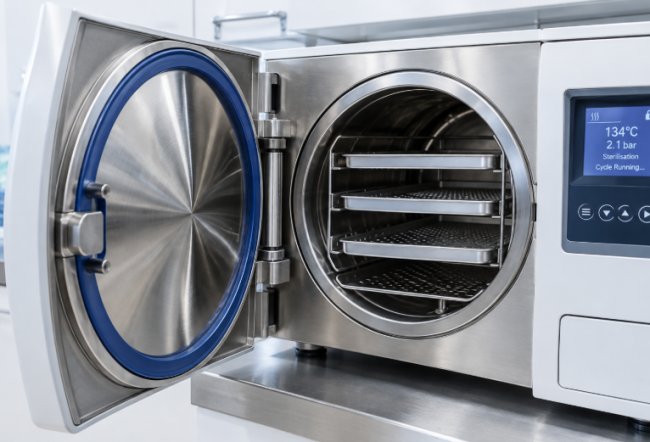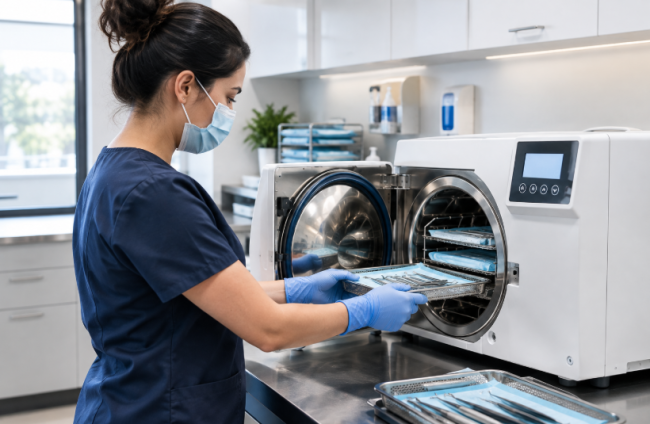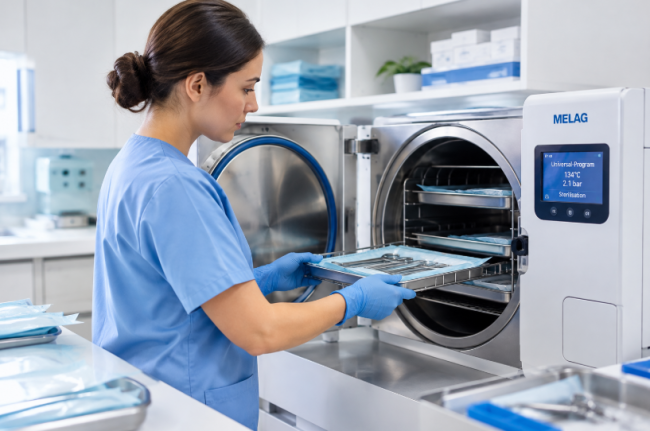

Common Reasons Autoclaves Fail Validation Tests

Autoclave validation is a critical part of ensuring sterilisation equipment performs as intended. Whether you’re operating a dental practice, medical clinic, veterinary facility, laboratory, or healthcare centre, a failed validation test can lead to compliance concerns, operational delays, and potential risks to patient safety. While many organisations assume a failed validation means their autoclave is…

How Often Should an Autoclave Be Serviced?

An autoclave is one of the most important pieces of equipment in any healthcare facility, dental practice, laboratory, veterinary clinic, or research environment. It plays a critical role in sterilisation by using high-pressure steam to eliminate bacteria, viruses, fungi, and other harmful microorganisms from instruments and equipment. Because autoclaves are relied upon daily to maintain…

Common Autoclave Mistakes and How to Avoid Them

An autoclave is one of the most important pieces of equipment in any healthcare, dental, veterinary, or laboratory setting. When used correctly, it provides reliable steam sterilization that helps protect patients, staff, and the wider community from harmful microorganisms. However, even the most advanced autoclave machine can fail to achieve proper sterilization if it isn’t…

The Difference Between B-Class, S-Class, and N-Class Autoclaves

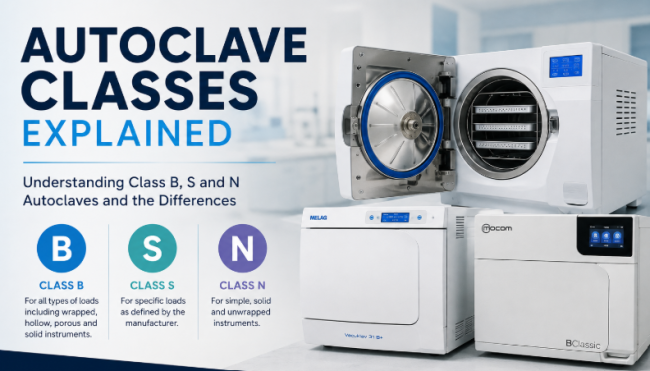
Choosing the right autoclave machine isn’t always straightforward. With terms like B-Class, S-Class, and N-Class appearing on product specifications, many healthcare professionals find themselves wondering what these classifications actually mean and which one is best suited to their practice. The reality is that not all autoclaves offer the same sterilization capabilities. While every autoclave is…