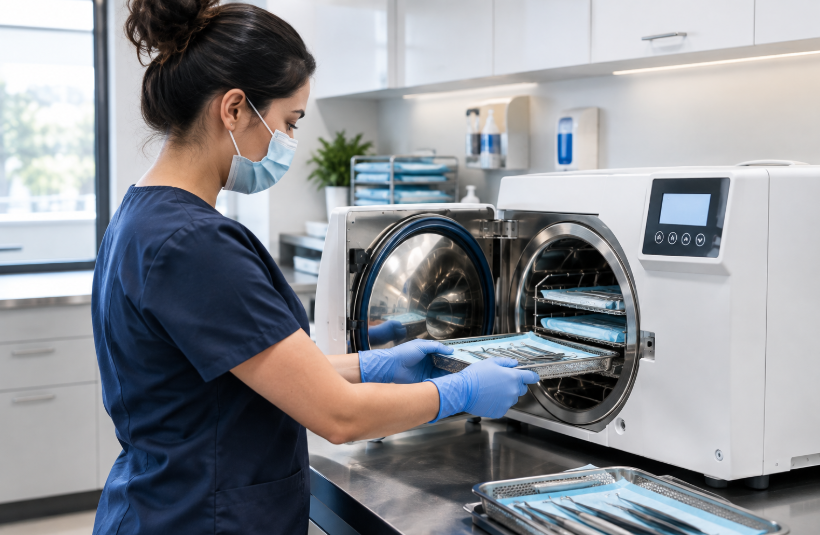
An autoclave machine is an important part of sterilisation in dental practices, medical facilities, laboratories, veterinary clinics and other healthcare environments. Like any piece of equipment, an autoclave will eventually need repairs, replacement parts or complete replacement.
So, how long does an autoclave machine last?
With proper use, regular servicing and appropriate maintenance, a quality autoclave machine can often provide many years of reliable service. However, its actual lifespan depends on several factors, including the brand and model, how frequently it is used, maintenance history, water quality and how well the machine is operated.
What Is the Average Lifespan of an Autoclave Machine?
A well-maintained autoclave machine can commonly remain in service for 10 years or more, although some machines may need major repairs or replacement earlier depending on their workload and condition.
There is no fixed expiry date for an autoclave. Two machines of the same age can be in very different conditions. An autoclave used several times every day in a busy dental practice will generally experience more wear than one used occasionally.
The key question is not simply how old the machine is. It is whether the machine can still consistently and safely complete its sterilisation cycles and meet the required performance standards.
What Affects the Lifespan of an Autoclave Machine?
Several factors can influence how long an autoclave machine continues to operate reliably.
1. Frequency of Use
The more frequently an autoclave is used, the more wear its components are likely to experience.
A busy dental clinic may run multiple sterilisation cycles every day. Over time, components such as door seals, pumps, valves, heating elements and sensors can require servicing or replacement.
Regular maintenance becomes particularly important for machines operating under heavy workloads.
2. Regular Maintenance
Routine maintenance can significantly extend the useful life of an autoclave machine.
Maintenance may include inspecting the chamber, checking the door seal, cleaning components, testing safety systems and replacing worn parts when necessary.
Following the manufacturer’s recommended maintenance schedule can also help identify small problems before they develop into expensive repairs.
For practices that rely heavily on their steriliser, professional autoclave repair and maintenance services can help keep the equipment operating reliably.
3. Water Quality
Water quality is another important consideration.
Poor-quality water can contribute to mineral deposits and buildup inside components of an autoclave machine. Over time, this can affect performance and increase wear on certain parts.
Always follow the manufacturer’s requirements for water quality and use the recommended water for your specific autoclave.
4. Correct Operation
How an autoclave is used every day can have a major effect on its lifespan.
Overloading the chamber, using unsuitable packaging, incorrectly positioning instruments or selecting the wrong cycle can place unnecessary stress on the machine and may also affect sterilisation performance.
Staff should be trained to load and operate the autoclave according to the manufacturer’s instructions.
5. Quality of the Machine
The initial quality and design of the autoclave also matter.
Established manufacturers such as MELAG and Mocom produce autoclaves designed for professional healthcare environments. However, even a high-quality machine requires proper maintenance to remain reliable over the long term.
Signs Your Autoclave Machine May Be Reaching the End of Its Useful Life
Age alone does not necessarily mean an autoclave needs to be replaced. However, recurring problems can indicate that the machine is becoming less economical or reliable to maintain.
Watch for signs such as:
- Frequent cycle failures
- Repeated error messages
- Longer-than-normal cycle times
- Difficulty reaching the required temperature or pressure
- Water leaks
- Door or seal problems
- Unusual noises
- Frequent breakdowns
- Parts becoming difficult to source
- Increasing repair costs
- Inconsistent sterilisation results
If you notice repeated problems, professional inspection can help determine whether the machine needs repair, major component replacement or replacement altogether.
Should You Repair or Replace an Old Autoclave Machine?
This depends on the condition of the machine and the cost of keeping it operational.
A relatively old autoclave machine may still be worth repairing if it has a good service history, replacement parts are available and the main components remain in good condition.
On the other hand, replacement may make more sense when the machine requires frequent repairs, critical parts are no longer available or the cost of ongoing maintenance becomes too high.
A professional technician can assess the machine and help identify the most practical option.
If you are experiencing problems with your steriliser, HTC Medical provides autoclave repair and servicing for healthcare facilities and practices.
Can a Refurbished Autoclave Machine Be a Good Option?
Replacing an autoclave does not always mean purchasing a brand-new machine.
A properly inspected and refurbished autoclave machine can be an option for practices looking for a more cost-effective solution. The important thing is to understand the machine’s condition, service history and what work has been completed during refurbishment.
A refurbished machine should be inspected and tested before being placed back into service.
HTC Medical offers refurbished autoclaves for sale from established brands, providing practices with another option when replacing an older steriliser.
How Can You Extend the Life of an Autoclave Machine?
Regular care can help you get more reliable service from your autoclave.
Here are some practical steps:
Follow the Manufacturer’s Instructions
Use the correct cycles, loading procedures, water requirements and cleaning methods specified for your model.
Keep the Chamber Clean
Regular cleaning helps prevent buildup and allows you to identify potential problems early.
Check the Door Seal
The door seal is an important component of the sterilisation chamber. Inspect it regularly for visible damage, cracking or deterioration.
Avoid Overloading
Loading the chamber beyond its recommended capacity can affect steam circulation and sterilisation performance while placing additional stress on the equipment.
Schedule Professional Servicing
Regular professional servicing can identify worn components before they cause a major breakdown.
Keep Service Records
Maintaining records of servicing, repairs, testing and component replacements makes it easier to monitor the machine’s condition over time.
How Often Should an Autoclave Machine Be Serviced?
The appropriate servicing schedule depends on the manufacturer, model, workload and applicable requirements.
Rather than waiting until an autoclave breaks down, practices should follow the manufacturer’s recommended maintenance schedule and any applicable Australian requirements.
Regular servicing is particularly important for busy dental and medical practices where sterilisation equipment is used frequently.
For practices that require performance testing and verification, learn more about autoclave validation services.
What About Autoclave Validation?
Maintenance and validation are not exactly the same thing.
Maintenance focuses on keeping the equipment in good working condition. Validation involves documented testing and verification that the sterilisation process is consistently achieving the required results under defined conditions.
An older autoclave machine may still be suitable for continued use if it is properly maintained and continues to meet the required performance criteria.
However, repeated failures during testing should be investigated rather than ignored.
When Is It Time to Replace an Autoclave Machine?
Consider replacing an autoclave when:
- Repairs are becoming frequent
- Repair costs are increasing significantly
- Critical replacement parts are unavailable
- The machine repeatedly fails cycles or testing
- The equipment no longer meets your practice’s needs
- The manufacturer no longer supports the model
- A newer machine would significantly improve your workflow
- The machine can no longer be maintained reliably
The decision should be based on the machine’s condition, reliability, safety, operating requirements and overall cost of ownership rather than age alone.
Frequently Asked Questions
How many years does an autoclave machine last?
A properly maintained autoclave machine can often last 10 years or more, but lifespan varies depending on usage, maintenance, water quality, model and operating conditions.
Is a 10-year-old autoclave still safe to use?
Age alone does not determine whether an autoclave is suitable for continued use. Its condition, maintenance history, performance and ability to consistently meet required sterilisation criteria should be assessed.
How often should an autoclave be serviced?
The recommended service interval depends on the specific manufacturer and model, as well as how frequently the machine is used. Always follow the manufacturer’s maintenance recommendations and applicable requirements.
Is it better to repair or replace an old autoclave?
It depends on the machine’s condition and repair costs. If the machine is structurally sound and parts are available, repair may be practical. Frequent breakdowns, unavailable parts or high repair costs may make replacement more appropriate.
Can refurbished autoclaves be reliable?
A refurbished autoclave can be a practical option when it has been properly inspected, serviced and tested by a qualified provider. Buyers should ask about the machine’s condition, service history and refurbishment work.
Keep Your Autoclave Machine Working Reliably
An autoclave machine can provide many years of service when it is correctly operated, regularly maintained and professionally serviced. While age is an important consideration, it should not be the only factor when deciding whether to repair or replace your equipment.
If your current autoclave is showing signs of wear or you are considering replacing an older unit, HTC Medical can help. We provide autoclave repair and maintenance, autoclave validation and refurbished autoclaves for sale for dental, medical and other healthcare facilities.
Need help with your autoclave machine? Contact HTC Medical to discuss servicing, repairs, validation or refurbished replacement options.