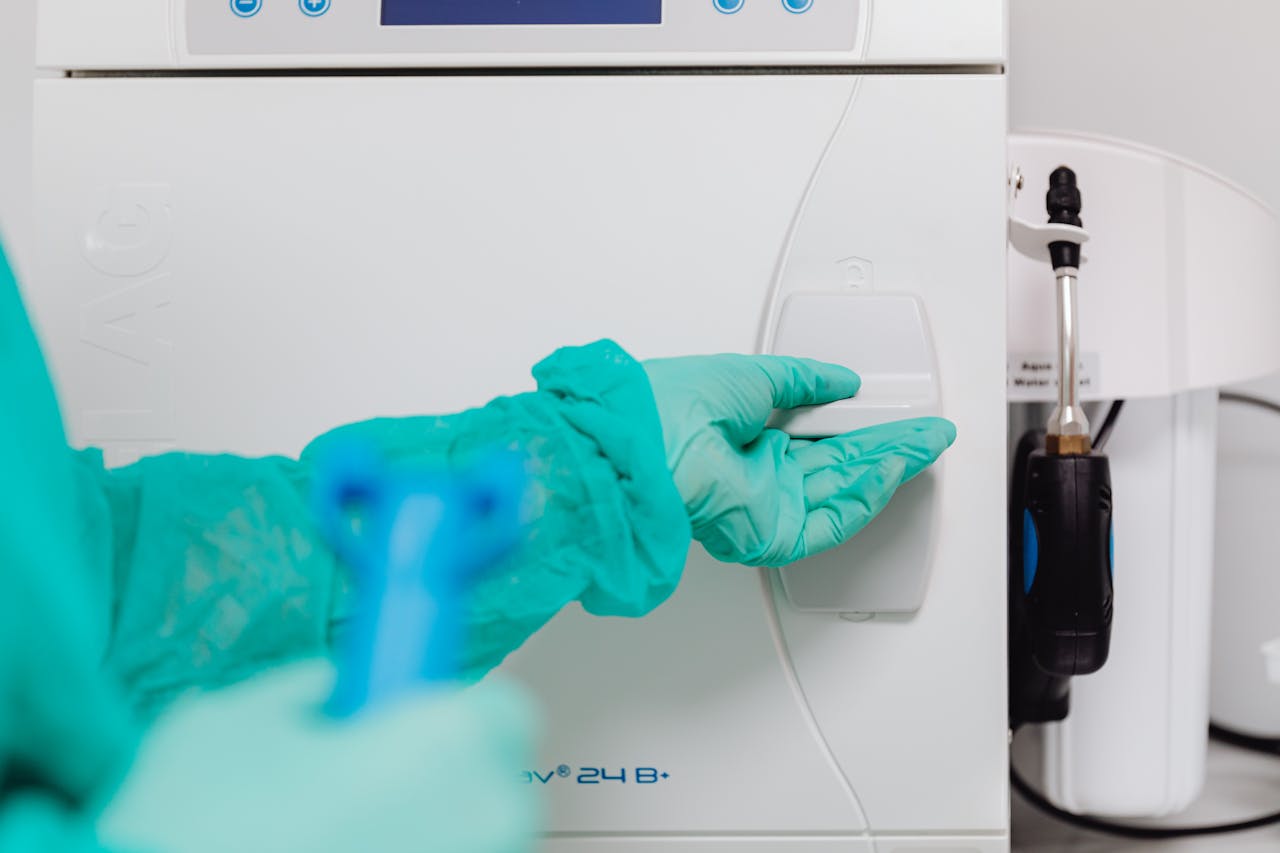
In healthcare, laboratories, dental clinics, and even tattoo studios, cleanliness is more than just good practice — it is critical for safety. One of the most important pieces of equipment used to maintain sterilization standards is the autoclave. But what exactly is an autoclave, and why is it so important?
This guide explains how autoclaves work, the different types available, their applications, and why regular autoclave servicing is essential for reliable sterilization.
What Is an Autoclave?
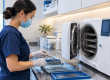
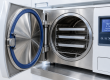
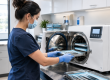
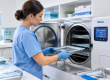
An autoclave machine is a sterilization device that uses high-pressure steam and heat to eliminate bacteria, viruses, fungi, and other harmful microorganisms from medical instruments and equipment.
The main purpose of an autoclave is to achieve complete sterilization, making tools safe for reuse in environments where infection control is critical. Autoclaves are commonly used in:
- Dental clinics
- Medical centres
- Hospitals
- Veterinary clinics
- Laboratories
- Tattoo and beauty clinics
- Pharmaceutical facilities
Modern autoclaves are designed to meet strict hygiene and sterilization standards, helping businesses comply with health regulations and maintain patient safety.
How Does an Autoclave Work?
An autoclave works by creating a controlled environment where steam pressure and high temperature destroy microorganisms.
The sterilization cycle generally follows these stages:
1. Air Removal
Air is removed from the chamber to allow steam to circulate properly.
2. Steam Injection
Pressurized steam enters the chamber and reaches temperatures typically between 121°C and 134°C.
3. Sterilization Phase
The heat and pressure kill bacteria, spores, and pathogens on instruments.
4. Drying Cycle
After sterilization, moisture is removed to ensure instruments are dry and ready for use.
This process provides a highly effective sterilization method compared to basic cleaning or chemical disinfection.
Types of Autoclaves
Different industries require different sterilization solutions. The most common types include:
Benchtop Autoclaves
A benchtop autoclave is compact and ideal for smaller practices such as dental clinics, podiatry clinics, and beauty facilities. These units are popular because they save space while still delivering high-performance sterilization.
B-Class Autoclaves
B-Class autoclaves are considered the highest standard for sterilization. They use vacuum technology to remove air efficiently and sterilize wrapped, hollow, and complex instruments.
Benefits include:
- Advanced steam penetration
- Reliable sterilization performance
- Suitable for packaged instruments
- Compliance with strict healthcare standards
S-Class Autoclaves
S-Class autoclaves are designed for specific instrument loads and are commonly used in clinics with moderate sterilization requirements.
Vertical and Industrial Autoclaves
Larger facilities such as laboratories and manufacturing plants often use industrial autoclaves for bulk sterilization processes.
Why Is Autoclave Sterilization Important?
Proper sterilization reduces the risk of contamination and infection. Without effective sterilization equipment, reusable tools can spread harmful bacteria and viruses between patients or users.
Key benefits of autoclave sterilization include:
- Improved infection control
- Compliance with healthcare regulations
- Safer reusable instruments
- Reduced contamination risks
- Enhanced operational efficiency
For healthcare providers, sterilization is not optional — it is a critical part of patient care and workplace safety.
Industries That Use Autoclaves
Autoclaves are used across many industries that require sterile equipment and controlled environments.
Dental Clinics
Dental instruments must be sterilized between patients to maintain hygiene standards.
Medical Centres
Hospitals and GP clinics rely on medical autoclaves for surgical tools and reusable devices.
Veterinary Practices
Veterinary clinics use autoclave machines to sterilize animal care instruments.
Laboratories
Research laboratories require sterile conditions to prevent contamination during testing and experimentation.
Beauty and Tattoo Clinics
Tattoo equipment and beauty tools must be sterilized to comply with health and safety regulations.
Common Features of Modern Autoclave Machines
Today’s sterilization equipment includes advanced features that improve safety and efficiency.
Common autoclave features include:
- Digital control systems
- Automatic sterilization cycles
- Vacuum drying systems
- Data logging and reporting
- Safety locking mechanisms
- Energy-efficient operation
Many modern units are also designed for faster cycle times and easier maintenance.
The Importance of Autoclave Servicing and Validation
Even the best autoclave machine requires regular maintenance to operate safely and effectively.
Professional autoclave service helps ensure:
- Proper sterilization performance
- Compliance with industry standards
- Reduced equipment downtime
- Longer machine lifespan
- Early detection of technical issues
Regular autoclave validation is also important to verify that sterilization cycles meet required performance standards. Validation testing helps confirm that instruments are consistently sterilized correctly.
Businesses that rely on sterilization equipment should schedule routine servicing and maintenance to avoid operational risks.
How to Choose the Right Autoclave
When selecting an autoclave, consider the following factors:
Capacity
Choose a chamber size suitable for your daily workload.
Sterilization Requirements
Different instruments may require specific sterilization capabilities.
Compliance Standards
Ensure the autoclave meets local healthcare and safety regulations.
Ease of Use
Modern touchscreen controls and automated cycles improve efficiency.
Service and Support
Reliable technical support and maintenance services are essential for long-term performance.
Investing in the right sterilization equipment can improve workflow efficiency while maintaining high hygiene standards.
Final Thoughts
An autoclave plays a vital role in modern infection control and sterilization processes. Whether used in healthcare, laboratories, veterinary clinics, or beauty industries, autoclave machines provide a reliable and effective method for sterilizing reusable equipment.
With proper maintenance, regular autoclave servicing, and professional validation, these machines help businesses maintain compliance, protect clients, and ensure safe daily operations.
If your business depends on sterile equipment, investing in a high-quality autoclave system is one of the most important decisions you can make for safety and efficiency.
Contact HTC today.