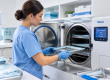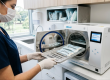

Choosing an autoclave machine is an important investment for any medical or dental clinic. The right steriliser helps your practice process reusable instruments safely, maintain consistent sterilisation procedures, and support infection control requirements.
However, finding the right machine is not just about comparing prices. Chamber capacity, sterilisation class, cycle speed, instrument compatibility, servicing requirements, and ongoing maintenance can all affect the total cost of ownership.
So, how much does an autoclave machine cost, and which option offers the best value for your practice?
This guide explains the main factors that influence autoclave machine prices in Australia, the differences between new and refurbished equipment, and what to consider before making a purchase.
How Much Does an Autoclave Machine Cost in Australia?
Autoclave prices vary depending on the manufacturer, model, chamber capacity, features, and condition of the equipment.
A compact benchtop autoclave designed for a small practice will generally have different pricing from a larger, high-performance steriliser intended for a busy dental clinic or medical facility. New machines typically cost more upfront than comparable refurbished units, although the actual price depends on the model and its specifications.
There is no single price that applies to every clinic. The best way to estimate your budget is to compare machines that meet your sterilisation requirements.
When requesting an autoclave price in Australia, consider the following:
- Purchase price: The initial cost of the machine, including any applicable accessories.
- Chamber capacity: The size of the chamber and the volume of instruments processed during each cycle.
- Sterilisation class: Whether the machine can process the specific instruments and loads used in your practice.
- Installation: Any delivery, setup, connection, or commissioning costs.
- Testing and validation: The testing and documentation required for your equipment and sterilisation processes.
- Ongoing maintenance: Routine servicing, replacement parts, consumables, and repairs.
- Warranty and support: The coverage and technical assistance included with the purchase.
To compare available options, visit HTC Medical’s autoclaves for sale page for information about new and refurbished sterilisation equipment.
What Factors Affect Autoclave Machine Prices?
Two autoclaves can look similar but have significantly different prices. Understanding the reasons behind these differences makes it easier to choose equipment that suits your workload and budget.
1. Chamber Capacity and Machine Size
Chamber capacity is one of the main factors affecting autoclave prices.
Smaller benchtop models may suit clinics with lower instrument volumes, while larger-capacity machines can help busy practices process more instruments per load.
For example, a dental clinic that processes multiple instrument sets throughout the day may benefit from a larger chamber than a small practice with a limited number of procedures.
However, buying the largest machine available is not always the most cost-effective decision. A machine that is too small may create bottlenecks, while an oversized model may increase your initial investment without providing much practical benefit.
Before purchasing, consider:
- The number of instrument sets used each day
- The types and dimensions of instruments being sterilised
- The volume of wrapped and unwrapped loads
- The number of staff using the sterilisation area
- Expected growth in patient numbers and clinical services
Choosing an appropriate chamber size helps balance purchase costs with daily operational requirements.
2. Sterilisation Class: Class B and Class S
The sterilisation class can influence the price of an autoclave because different machines are designed for different applications.
Class B autoclaves generally offer greater versatility for processing a range of suitable loads, including wrapped instruments, hollow instruments, and porous loads, subject to the manufacturer’s specifications.
Class S autoclaves are designed for specific load types defined by the manufacturer. Their suitability depends on the instruments being processed and the validated cycles available.
A lower-priced machine is not necessarily the better choice if it cannot process the instruments your clinic uses.
Before deciding, read our guide to Class B, Class S, and Class N autoclaves to understand the differences and determine which type may suit your practice.
3. Brand and Model
The manufacturer, model, available features, and local service support can all influence autoclave machine prices.
For example, MELAG and Mocom offer different sterilisation models designed for various clinical workflows and instrument-processing requirements.
When comparing brands, look beyond the initial price. Consider cycle options, chamber capacity, ease of use, documentation features, replacement part availability, and access to qualified technicians.
A machine with a higher purchase price may provide better value for a particular clinic if its features and support arrangements suit the practice’s needs.
HTC Medical supplies and services equipment from established manufacturers, including MELAG, Mocom, Hatmed, and AURA.
You can explore refurbished MELAG autoclaves and refurbished Mocom autoclaves to compare available equipment options.
4. New vs Refurbished Equipment
One of the biggest decisions when buying an autoclave is whether to purchase a brand-new machine or a professionally refurbished unit.
Both options can be suitable, depending on your budget, operational needs, and the condition and specifications of the equipment.
New autoclaves
A new autoclave may be suitable for clinics that want a current model, the manufacturer’s applicable warranty, and the features offered by the latest equipment range.
Before purchasing, confirm what is included in the quoted price. Delivery, installation, initial testing, accessories, and ongoing servicing may be priced separately.
Refurbished autoclaves
A professionally refurbished autoclave can be a more affordable alternative for clinics that want to manage their initial equipment investment.
However, it is important to distinguish a refurbished machine from a used unit sold without substantial inspection or servicing.
Before purchasing refurbished equipment, ask whether the machine has undergone:
- A thorough internal inspection
- Assessment of critical components and wear parts
- Appropriate servicing and replacement of worn components
- Performance testing
- Relevant validation and supporting documentation
- Warranty coverage and after-sales support
HTC Medical offers refurbished autoclaves that undergo inspection, restoration, performance testing, and validation before sale. Available models and specifications vary depending on stock.
Visit the refurbished autoclaves for sale page to explore available options.
For a more detailed comparison, read Buying a Second Hand Autoclave in Australia: A Complete Guide.
How Much Does a Dental Autoclave Cost?
Dental autoclave prices depend on the type of instruments processed, the clinic’s workload, chamber capacity, sterilisation class, and the machine’s features.
A small dental practice may need a different solution from a busy clinic that processes numerous instrument sets throughout the day.
When comparing dental autoclaves, consider:
- Instrument compatibility: Can the machine process the instruments and loads used by your practice?
- Daily workload: Will its chamber capacity support your normal schedule?
- Cycle performance: Are the available cycles suitable for your workflow and instrument requirements?
- Drying performance: Does the machine provide the drying performance required for the intended loads?
- Documentation: Can the machine support the records and traceability processes your practice needs?
- Technical support: Are qualified technicians and replacement parts available when required?
It is also worth considering what happens when your steriliser needs maintenance or repair. Equipment downtime can disrupt daily operations, so access to reliable technical support is an important part of the purchasing decision.
For more information about selecting dental sterilisation equipment, see HTC Medical’s complete guide to dental autoclaves.
What About Autoclaves for Medical Clinics?
Medical clinics also need to choose sterilisation equipment according to their reusable instruments, procedures, and applicable requirements.
A general practice may have different needs from a specialist clinic, day surgery, podiatry practice, or facility that processes a larger range of reusable medical instruments.
Before requesting a quote, identify the instruments you need to process and confirm the appropriate sterilisation method with the relevant manufacturer instructions and applicable Australian requirements.
You should also consider whether the machine will fit your available workspace, whether its capacity matches your daily workload, and whether your staff can operate and maintain it correctly.
A properly selected autoclave should support your actual clinical requirements rather than simply fit within a particular price range.
Additional Costs to Consider When Buying an Autoclave
The purchase price is only one part of the total cost of owning an autoclave. Planning for ongoing expenses can help prevent unexpected costs later.
Installation and Setup
Depending on the model and the clinic’s facilities, installation may involve delivery, positioning, electrical requirements, water supply arrangements, and other setup considerations.
Ask the supplier whether installation and commissioning are included in the quotation.
Servicing and Preventive Maintenance
Autoclaves contain components that require inspection and maintenance according to the manufacturer’s instructions and the equipment’s usage.
Routine servicing can help identify wear, leaks, sensor problems, and other faults before they lead to more significant disruptions.
Read more about autoclave repair and maintenance services to understand the importance of ongoing equipment care.
Validation and Performance Testing
Purchasing an autoclave does not remove the need to establish that the sterilisation equipment and process perform as required.
The relevant validation and testing requirements depend on the equipment, intended use, applicable standards, and circumstances such as installation, relocation, or major repairs.
When comparing quotes, ask what testing or validation is included and what documentation will be provided.
Learn more about autoclave validation services and how professional testing supports reliable sterilisation practices.
Repairs and Replacement Parts
Over time, components such as seals, filters, valves, sensors, and other parts may need attention.
The availability of genuine or manufacturer-approved replacement parts, together with access to experienced technicians, can affect long-term ownership costs.
Before buying an unfamiliar model, check whether the supplier can provide ongoing technical support and whether parts are readily available.
Water Quality and Consumables
Some autoclaves require specific water quality, compatible consumables, or additional water treatment equipment.
Check the manufacturer’s requirements before purchasing. Using unsuitable water or ignoring maintenance instructions may affect performance and equipment life.
How to Choose an Autoclave That Fits Your Budget
Finding the right autoclave does not mean automatically choosing the cheapest model or the most expensive one. It means finding a machine that meets your requirements at a reasonable overall cost.
Use this checklist when comparing available options.
1. Define your sterilisation requirements. List the instruments, load types, and daily processing volumes relevant to your practice.
2. Confirm the appropriate sterilisation class. Make sure the machine is suitable for your intended loads and the manufacturer’s approved cycles.
3. Compare chamber capacities. Choose a size that supports your workflow without paying for unnecessary capacity.
4. Request itemised quotations. Check whether delivery, installation, accessories, testing, validation, and warranty coverage are included.
5. Compare new and refurbished machines. Consider the condition, age, service history, documentation, warranty, and availability of technical support.
6. Estimate ongoing ownership costs. Include maintenance, repairs, consumables, and any applicable water treatment requirements.
7. Check local service availability. A supplier with access to qualified technicians and replacement parts can make equipment ownership easier.
8. Confirm applicable Australian requirements. Check the relevant standards, manufacturer instructions, and requirements for your facility before purchasing.
Taking these steps can help you avoid paying for features you do not need while ensuring the selected machine is appropriate for your clinic.
Why Choose HTC Medical for Autoclave Equipment?
HTC Medical supports medical and dental practices looking for sterilisation equipment, technical services, and ongoing support across Sydney and regional New South Wales.
Based in Padstow, NSW, HTC Medical supplies new and refurbished autoclaves and provides services including equipment repair, maintenance, and validation.
The team works with established equipment brands, including MELAG, Mocom, Hatmed, and AURA, helping practices explore options suited to their equipment requirements and budgets.
Whether you are opening a new clinic, replacing an ageing steriliser, or looking for a more cost-effective refurbished machine, it is worth discussing your intended application before making a decision.
You can browse autoclave machines for sale or explore the refurbished autoclave range to review your options.
Frequently Asked Questions About Autoclave Machine Prices
How much does an autoclave machine cost in Australia?
The cost depends on the brand, model, chamber capacity, sterilisation class, features, and whether the machine is new or refurbished. Request a quotation based on your instrument requirements and intended use for an accurate price.
Is a refurbished autoclave cheaper than a new one?
A refurbished autoclave will often have a lower initial purchase price than a comparable new model. However, buyers should compare the machine’s condition, testing and validation documentation, warranty, and ongoing service support before deciding.
What size autoclave does a dental clinic need?
The appropriate chamber size depends on the number and type of instruments processed, daily patient workload, and sterilisation workflow. A supplier can help assess these requirements and recommend suitable models.
Is a Class B autoclave always the best choice?
Not necessarily. Class B autoclaves offer versatility for many clinical applications, but the correct choice depends on the instruments being processed, the manufacturer’s specifications, and the requirements of your practice. Confirm that the selected machine can safely process your intended loads.
Are servicing and validation included in the autoclave purchase price?
Not always. These services may be included in some packages or charged separately. Ask your supplier to confirm which services, tests, documentation, and warranty arrangements are included in the quotation.
How often does an autoclave need servicing and validation?
Service intervals should follow the manufacturer’s instructions and the equipment’s usage. Validation and performance testing must follow the applicable requirements for the equipment and sterilisation process. Confirm the appropriate schedule with a qualified service provider and the relevant Australian standards.
Where can I buy an autoclave in NSW?
HTC Medical supplies new and refurbished autoclaves and supports medical and dental practices across Sydney and regional NSW. Visit the autoclaves for sale page or contact the team to discuss your requirements.
Final Thoughts
Choosing an autoclave machine is a long-term investment in your clinic’s sterilisation workflow. While the purchase price matters, the machine’s suitability, capacity, performance, maintenance requirements, and technical support are equally important.
Before making a decision, compare new and refurbished options, confirm that the machine can process your intended instruments, and account for installation, servicing, testing, and other ongoing costs.
If you are looking for an autoclave machine for your medical or dental clinic, HTC Medical can help you explore suitable options based on your requirements and budget.
Looking for an autoclave price or quotation? Visit HTC Medical to explore available machines or contact the team to discuss new and refurbished autoclaves for your practice.