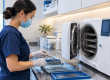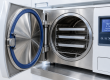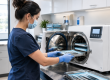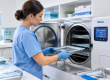
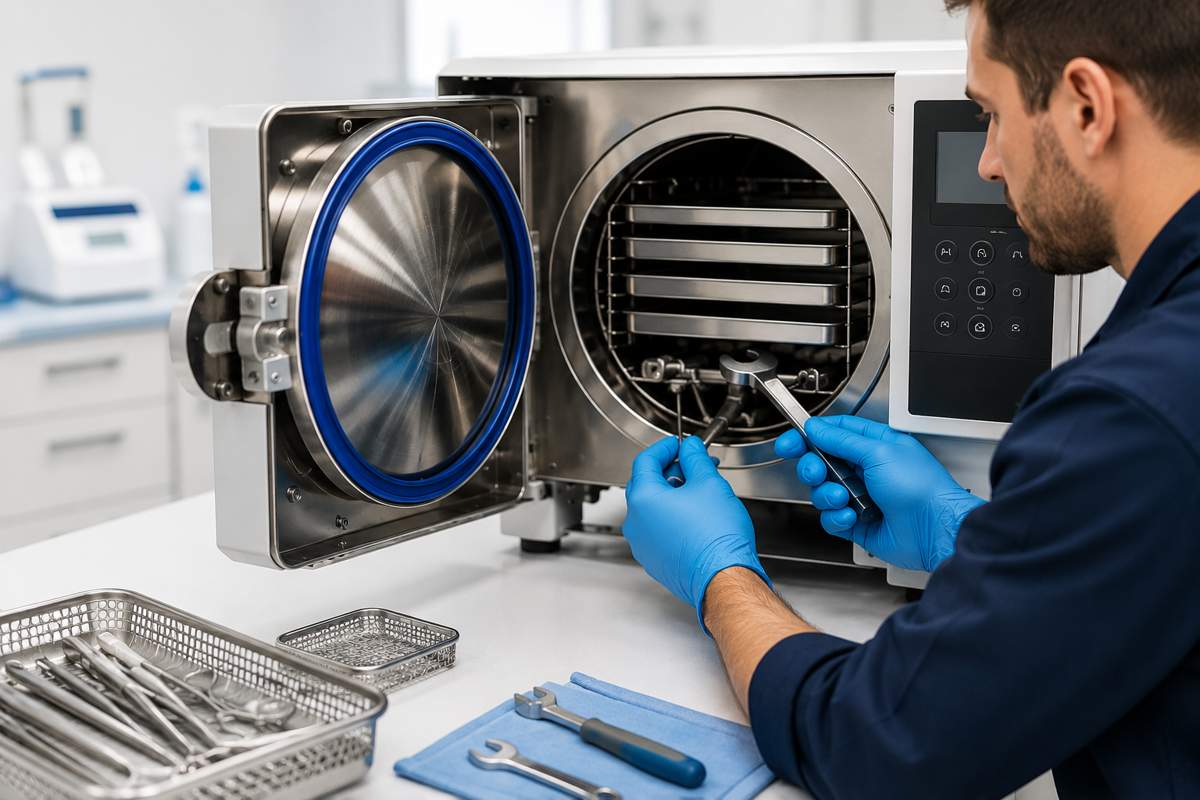
An autoclave is one of the most important pieces of equipment in any healthcare facility, dental practice, laboratory, veterinary clinic, or research environment. It plays a critical role in sterilisation by using high-pressure steam to eliminate bacteria, viruses, fungi, and other harmful microorganisms from instruments and equipment.
Because autoclaves are relied upon daily to maintain infection control standards, regular servicing is essential. Yet many businesses only think about maintenance when a problem occurs. Unfortunately, waiting until an autoclave breaks down can lead to costly repairs, failed sterilisation cycles, compliance issues, and unexpected downtime.
So, how often should an autoclave be serviced? The answer depends on several factors, including the type of autoclave, how frequently it is used, manufacturer recommendations, and industry regulations. However, routine servicing should always be part of your equipment maintenance plan.
Why Regular Autoclave Servicing Matters
Like any mechanical system, an autoclave contains components that experience wear and tear over time. Valves, seals, heating elements, pressure systems, and sensors all work together to ensure effective sterilisation.
Without regular maintenance, small issues can develop into major failures. An autoclave that appears to be functioning normally may not be achieving the required sterilisation conditions, potentially putting patients, staff, and research results at risk.
Regular servicing helps:
- Maintain reliable sterilisation performance
- Reduce the risk of equipment breakdowns
- Extend the lifespan of the autoclave
- Improve operational efficiency
- Ensure compliance with industry standards
- Identify potential faults before they become costly repairs
- Support successful autoclave validation results
A well-maintained autoclave is more likely to deliver consistent and safe sterilisation outcomes throughout its operational life.
Daily Maintenance Checks
While professional servicing is essential, operators should also carry out routine daily inspections.
These checks can help identify obvious issues before they affect performance.
Daily maintenance tasks may include:
- Checking door seals for damage or wear
- Inspecting the chamber for residue or debris
- Verifying water levels where applicable
- Monitoring cycle completion reports
- Cleaning trays and chamber surfaces
- Checking for unusual noises during operation
Simple daily checks can significantly reduce the likelihood of unexpected equipment failures.
Weekly and Monthly Maintenance
Depending on usage levels, certain maintenance tasks should be performed weekly or monthly.
These may include:
Weekly Tasks
- Cleaning drain strainers
- Inspecting filters
- Checking pressure gauges
- Reviewing sterilisation cycle records
Monthly Tasks
- Inspecting safety valves
- Testing door locking mechanisms
- Checking steam generation systems
- Examining pipework and fittings for leaks
Routine maintenance helps keep the autoclave operating efficiently between professional service visits.
Recommended Professional Service Intervals
Most manufacturers recommend a professional autoclave service every six to twelve months.
However, facilities with high workloads may require more frequent inspections.
Every Six Months
Autoclaves used heavily in busy healthcare settings often benefit from servicing every six months.
A six-month service may include:
- Inspection of critical components
- Calibration checks
- Safety system testing
- Seal inspections
- Steam quality assessments
- Performance testing
Frequent servicing helps prevent unexpected downtime in environments where sterilisation is essential to daily operations.
Annually
For many facilities, annual servicing is considered the minimum requirement.
An annual service typically involves:
- Comprehensive equipment inspection
- Replacement of worn components
- Pressure system testing
- Electrical safety checks
- Calibration verification
- Operational performance testing
Annual servicing helps ensure the autoclave continues to meet performance and compliance requirements.
Factors That Affect Service Frequency
Not all autoclaves require the same maintenance schedule. Several factors influence how often servicing should occur.
Usage Volume
An autoclave running multiple cycles every day experiences significantly more wear than one used occasionally.
High-volume facilities often require more frequent maintenance to keep equipment performing reliably.
Type of Load
Autoclaves processing complex instruments, wrapped loads, porous materials, or laboratory waste may experience additional stress on components.
Different sterilisation applications can impact maintenance needs.
Water Quality
Poor water quality is one of the most common causes of autoclave issues.
Mineral deposits and scale build-up can affect heating elements, steam generators, and pipework.
Facilities operating in hard water areas may require additional maintenance to prevent performance problems.
Equipment Age
Older autoclaves generally require more frequent inspections and preventative maintenance.
As equipment ages, components naturally experience increased wear and may require replacement.
Signs Your Autoclave May Need Servicing Sooner
Even if your next scheduled service is months away, certain warning signs should never be ignored.
These include:
- Longer cycle times
- Incomplete sterilisation cycles
- Temperature fluctuations
- Pressure inconsistencies
- Water leaks
- Steam leaks
- Error messages or fault codes
- Unusual noises
- Damaged door seals
- Failed validation or testing results
If any of these symptoms occur, professional inspection should be arranged as soon as possible.
The Connection Between Servicing and Validation
Regular servicing and autoclave validation work hand in hand.
While servicing focuses on maintaining equipment performance, validation confirms that the autoclave consistently achieves the required sterilisation conditions.
A poorly maintained autoclave is far more likely to fail validation testing.
Routine servicing helps ensure:
- Accurate temperature control
- Reliable pressure generation
- Proper steam penetration
- Consistent sterilisation performance
Keeping up with both servicing and validation is essential for compliance, patient safety, and operational reliability.
The Cost of Skipping Autoclave Maintenance
Some organisations delay servicing to reduce costs, but this approach often results in larger expenses later.
Neglected maintenance can lead to:
- Unexpected equipment breakdowns
- Emergency repair costs
- Sterilisation failures
- Compliance risks
- Operational downtime
- Shortened equipment lifespan
- Increased replacement costs
Preventative maintenance is almost always more cost-effective than emergency repairs and equipment replacement.
Keep Your Autoclave Performing at Its Best
Regular autoclave servicing is one of the most effective ways to protect your investment, maintain compliance, and ensure reliable sterilisation performance. While daily and monthly maintenance checks are important, professional servicing should typically be carried out every six to twelve months, depending on usage and manufacturer recommendations.
At HTC Medical, we provide professional autoclave servicing, autoclave validation, preventative maintenance, and autoclave repair services to help healthcare facilities, laboratories, and businesses keep their sterilisation equipment operating safely and efficiently.
Contact HTC Medical today to schedule your next autoclave service and ensure your sterilisation equipment continues to perform at the highest standard.